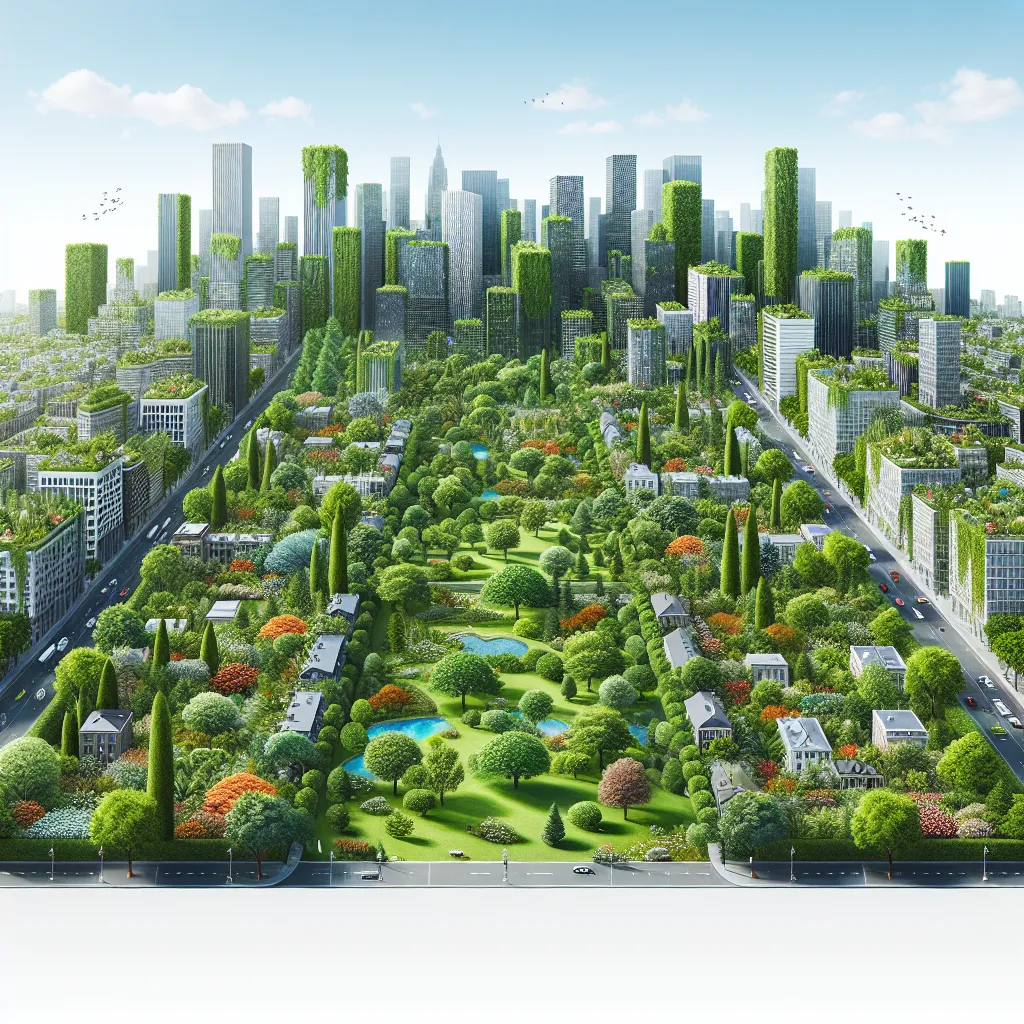
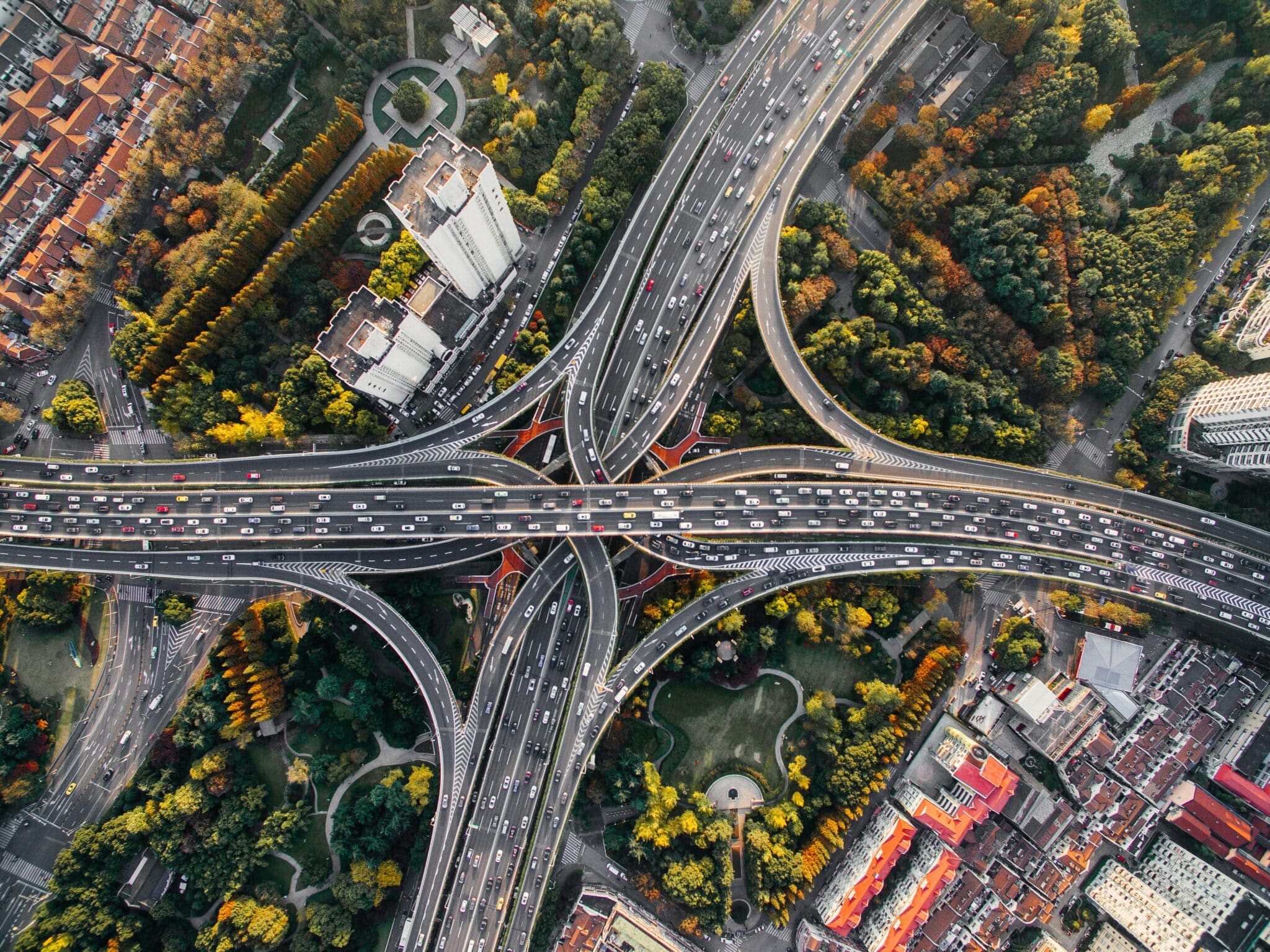
This detailed analysis highlights the numerous environmental benefits provided by urban green spaces, emphasizing their critical role in improving urban life quality and advancing sustainable development. The review delves into critical themes such as the impact of urban green spaces on human health, the complex interplay between urban ecology and sustainability, and the evaluation of ...
This article explores in depth the fundamental role of urban greenery in the context of current global climate changes. The ecosystem services provided by urban green areas are examined. The analysis highlights not only the direct benefits, such as thermal regulation...

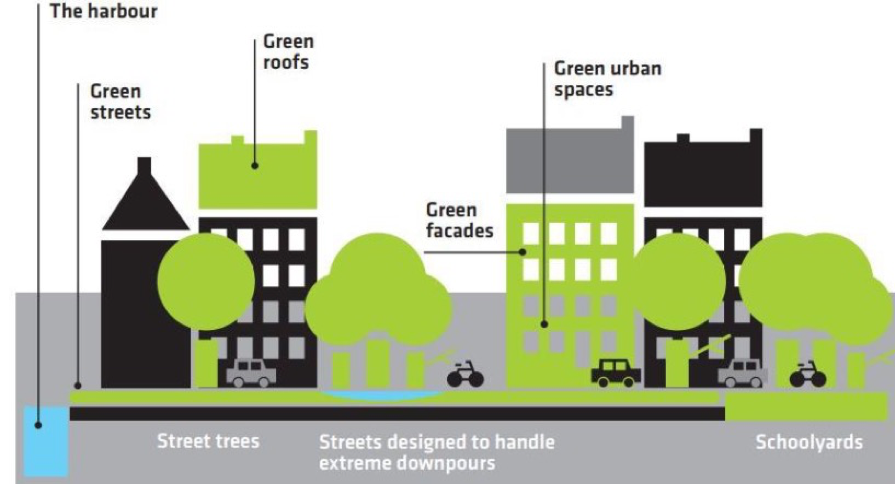
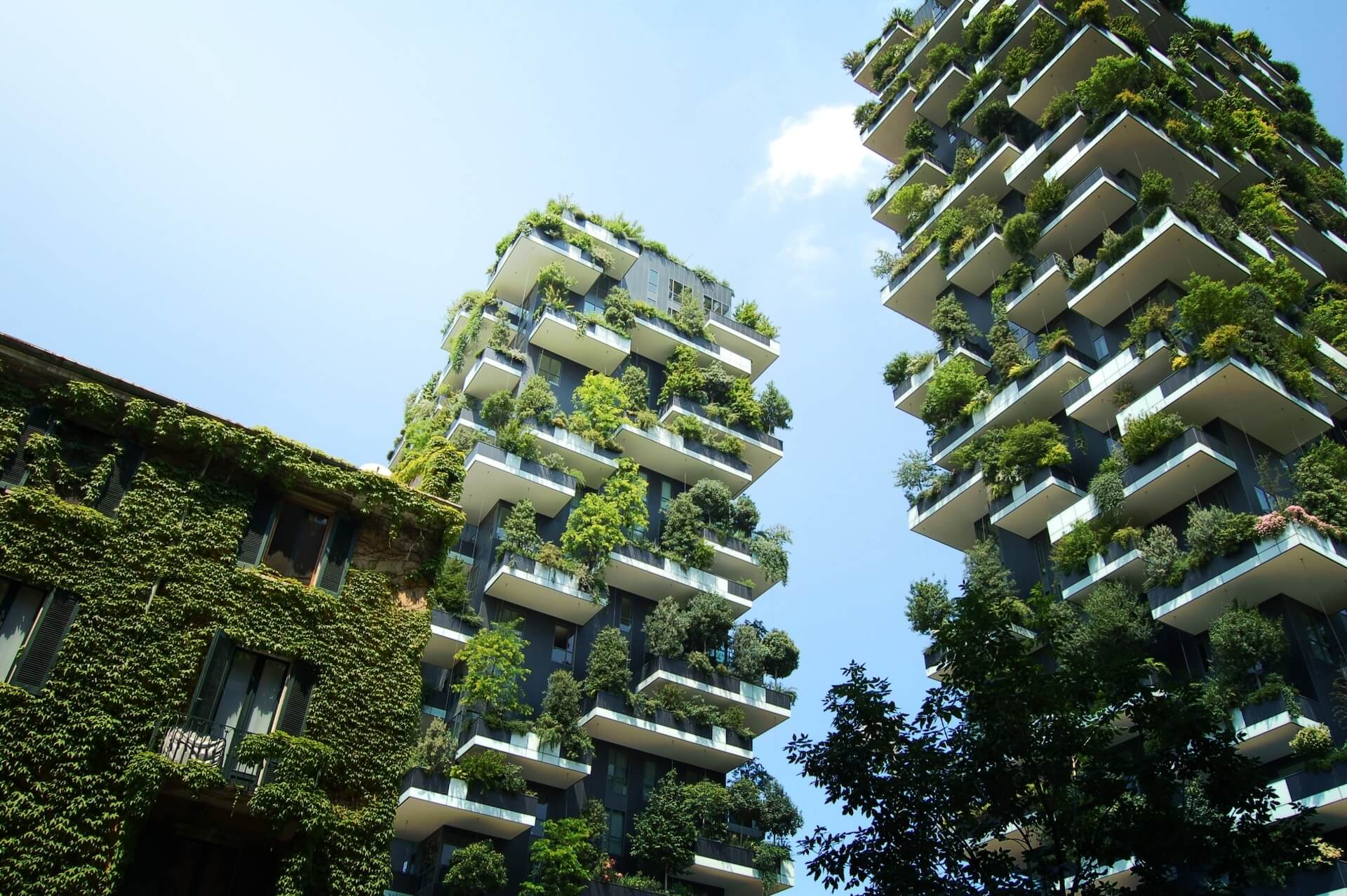
Often, green regeneration projects also include participatory and co-creation approaches. It is the ambition of most green regeneration projects to create benefits and improvements for the urban population in the respective areas/neighbourhoods or users of urban green spaces in which regeneration takes place.
Summary Urban regeneration, when conscientiously planned and executed, emerges as a powerful strategy for localizing almost all Sustainable Development Goals (SDGs) of the 2030 Agenda. With the potential to advance at least 15 of the 17 SDGs and over 45 SDG Targets, urban regeneration serves as a multifaceted solution addressing challenges such as social equity, human health, carbon emissions ...
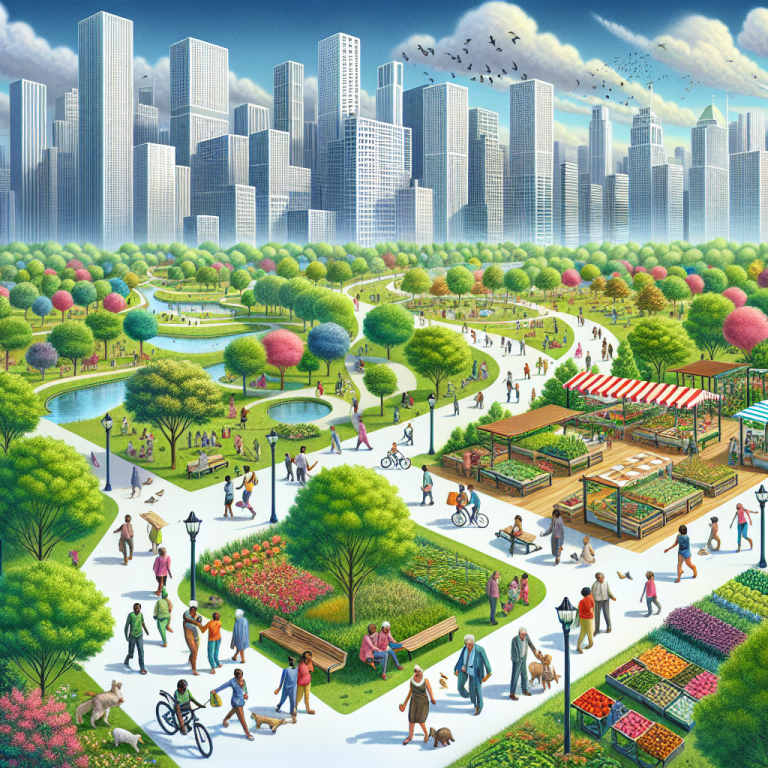
Effective urban regeneration through public spaces involves several key strategies. These include identifying and repurposing underutilized spaces, engaging local communities in the regeneration process, and incorporating sustainable design principles.