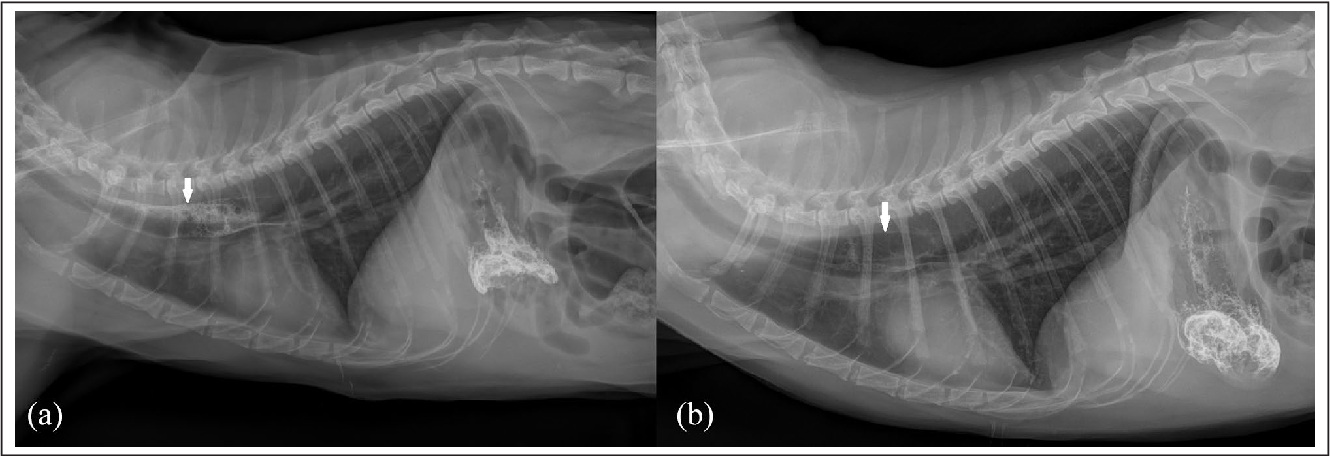
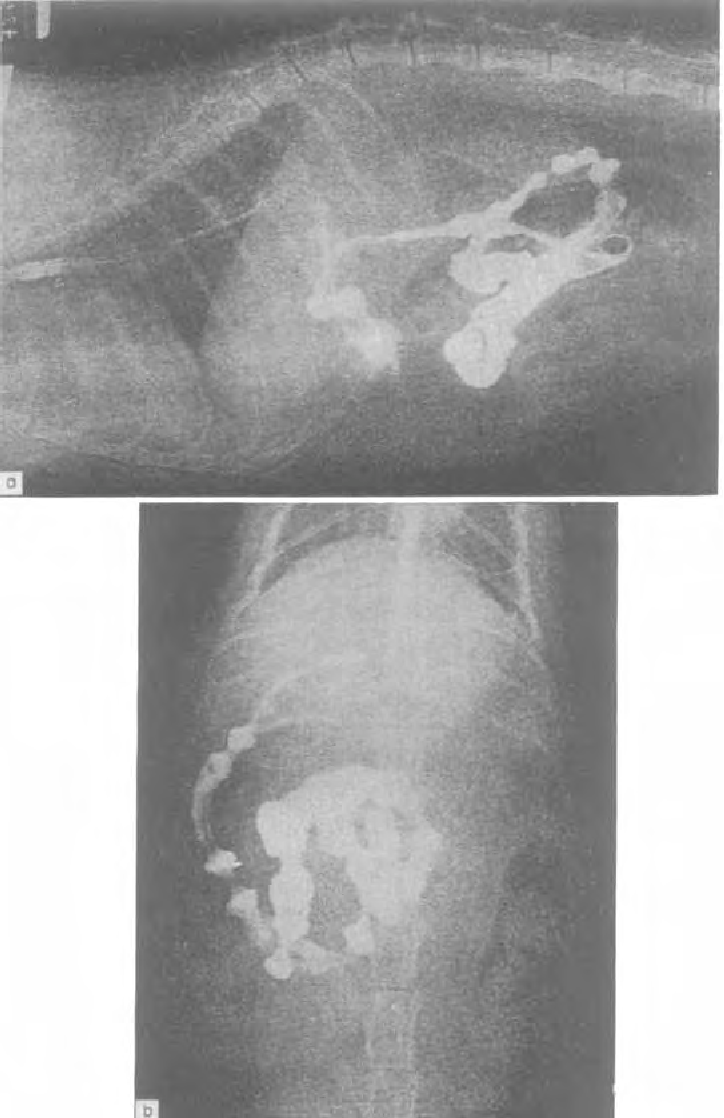
Occasional vomiting approximately 2 months after surgery was managed medically. Fifteen months after surgery, the owners reported that the cat seemed completely normal in appearance and behavior.
Chronic vomiting is a common clinical sign seen in cats, a lot of owners will report their cat vomits occasionally which can be normal. However a cat vomiting often may warrant investigations.

Such details provide a deeper understanding and appreciation for Vomiting In Cats After Anesthesia And Pyloric Stenosis.
Vomiting after anesthesia is a major concern for many pet owners and raises many questions. Is this normal? When should I worry? In this article, we will shed light on the most common causes of vomiting in cats after anesthesia and show you what you can do to help your pet.
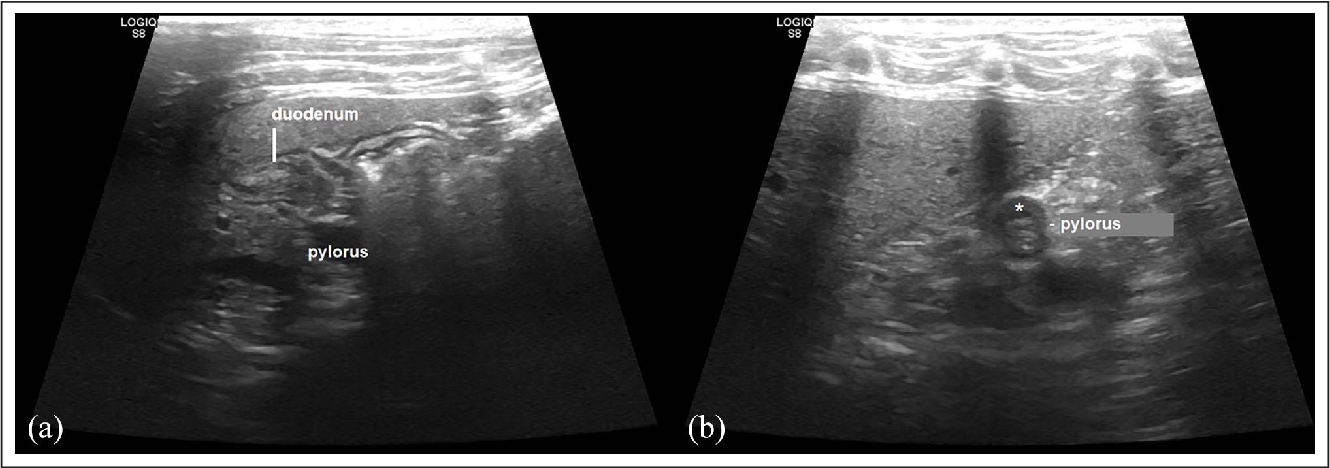
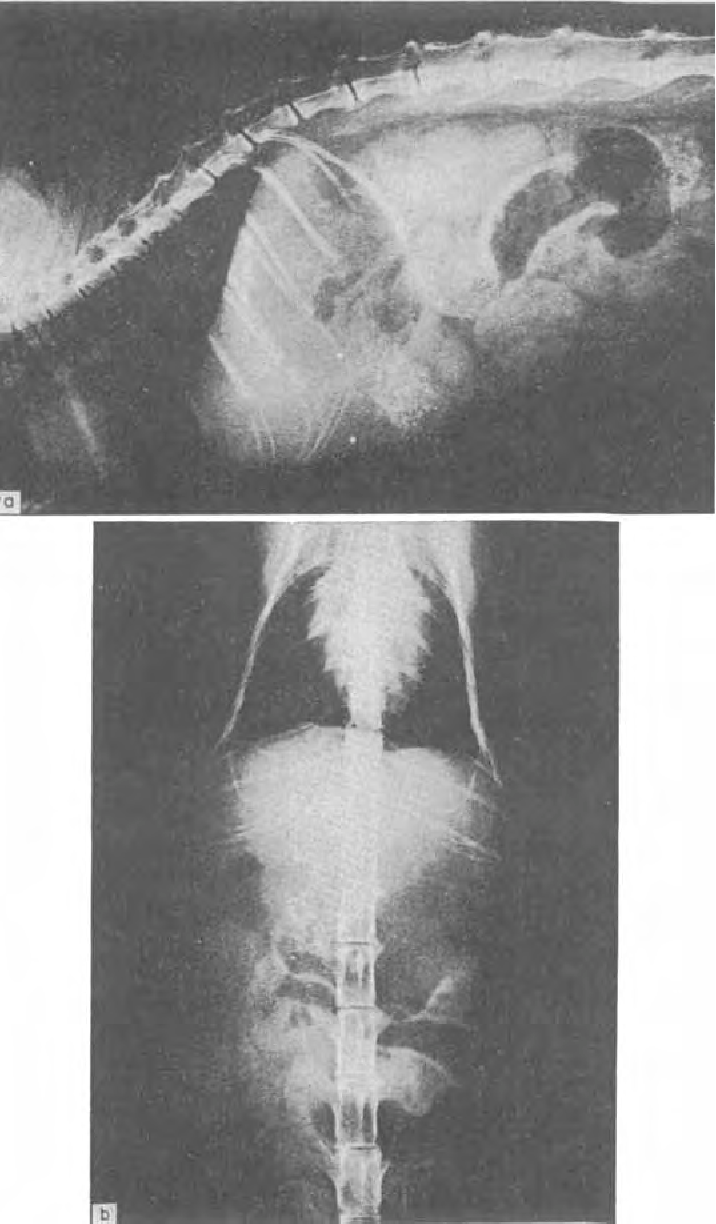
When muscle overgrowth causes the pyloric canal to narrow, pyloric stenosis or chronic hypertrophic pyloric gastropathy results. Consumed food can no longer pass into the intestines. This causes vomiting, poor growth and weight loss in cats.
Moving forward, it's essential to keep these visual contexts in mind when discussing Vomiting In Cats After Anesthesia And Pyloric Stenosis.
Congenital or acquired hypertrophy of circular muscle fibers or hyperplasia of pyloric mucosa (or both) of pyloric ring of stomach. Cause: may be associated with excess gastrin levels or abnormal neuro-muscular control.