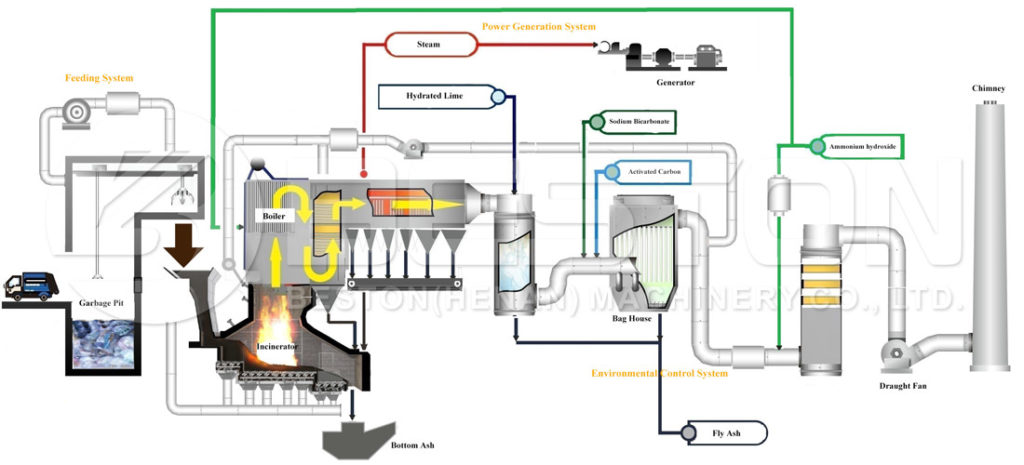
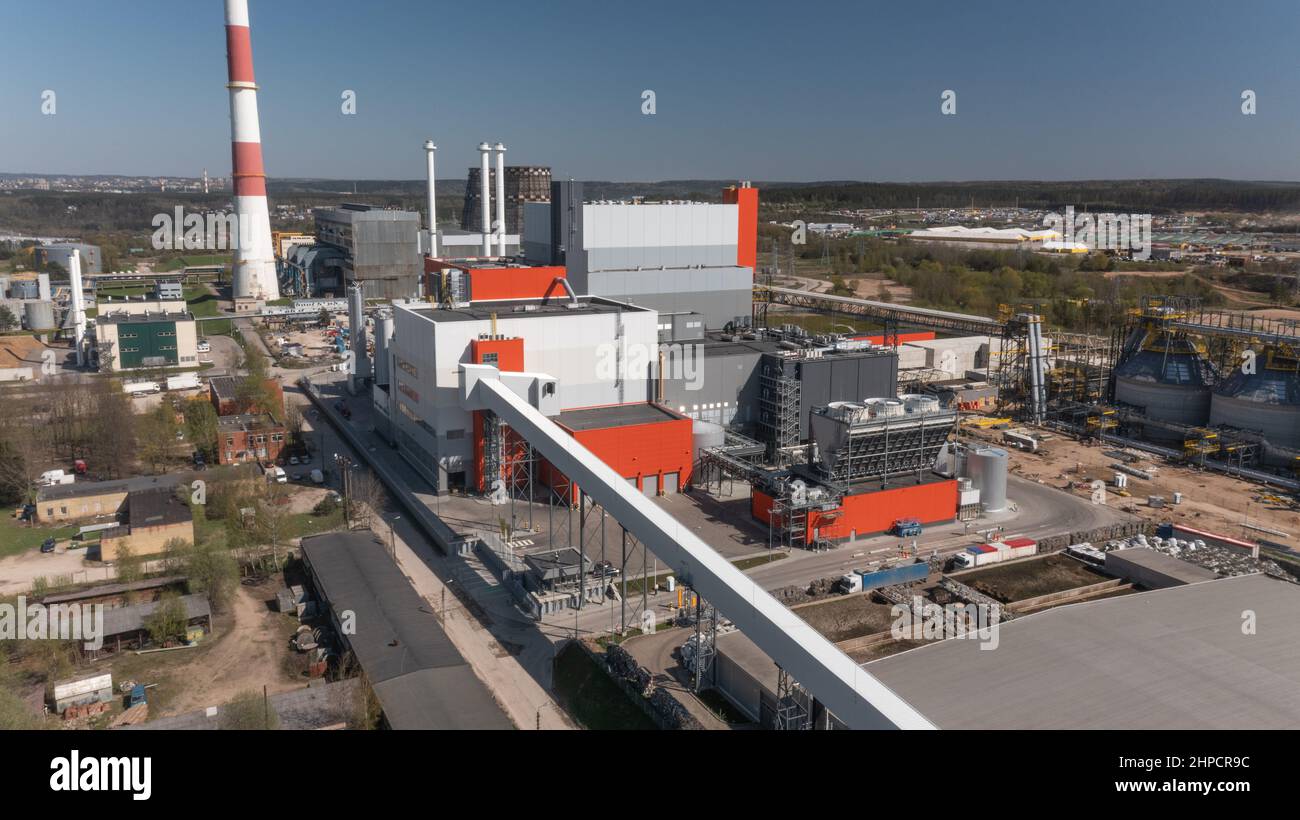
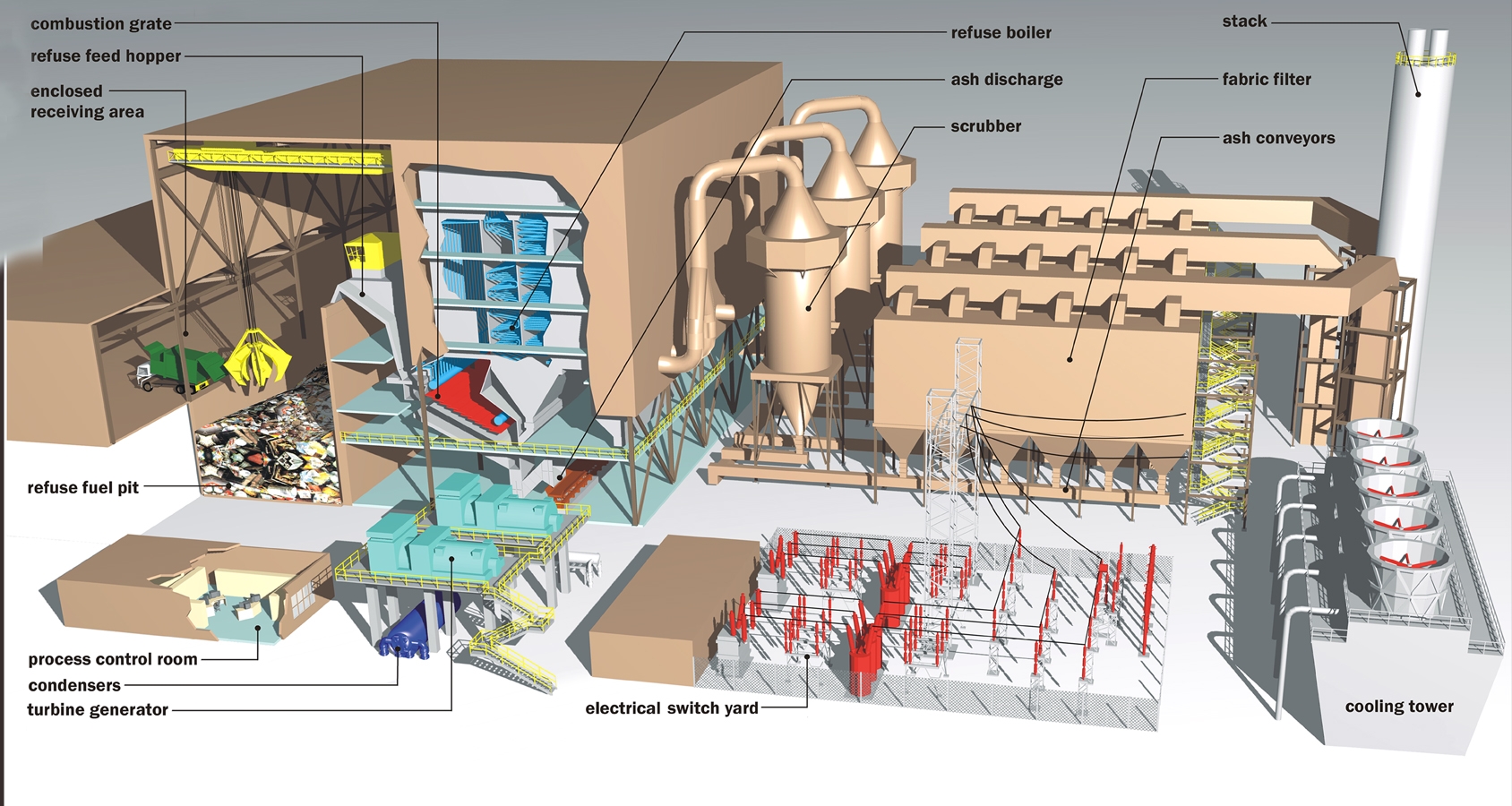
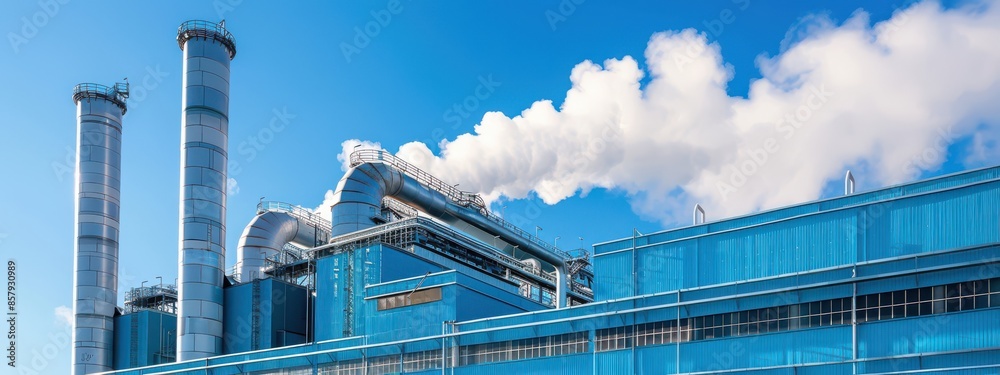
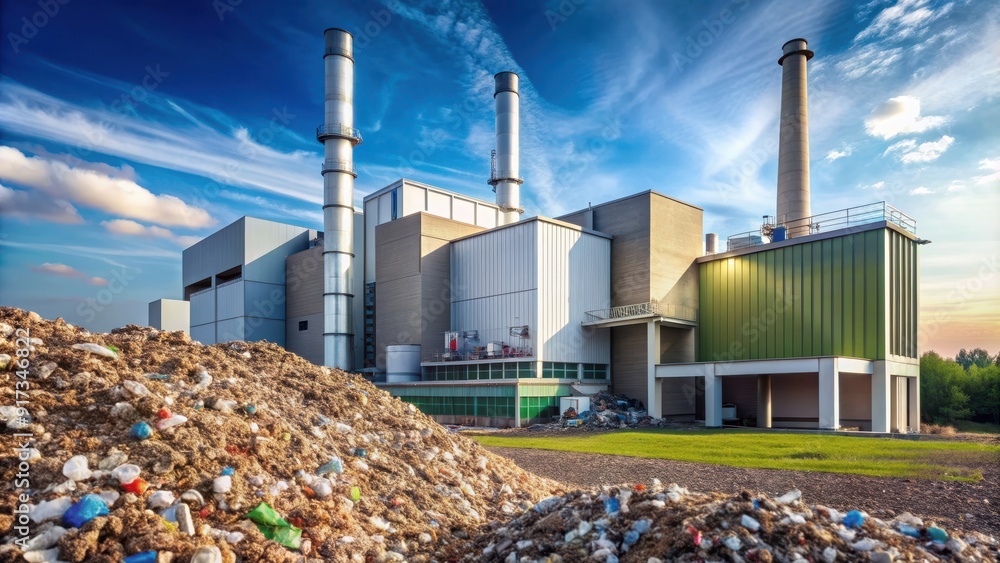
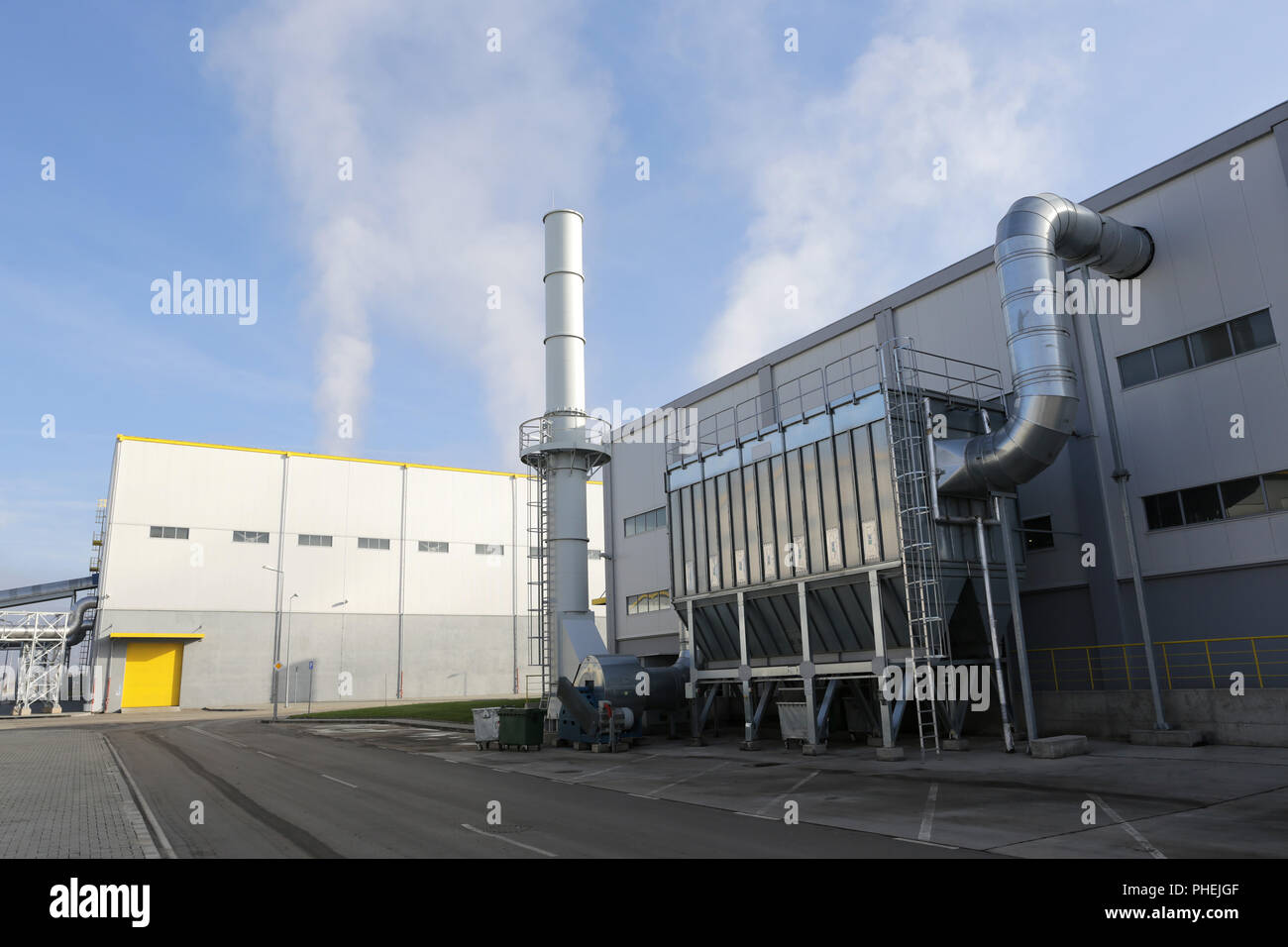
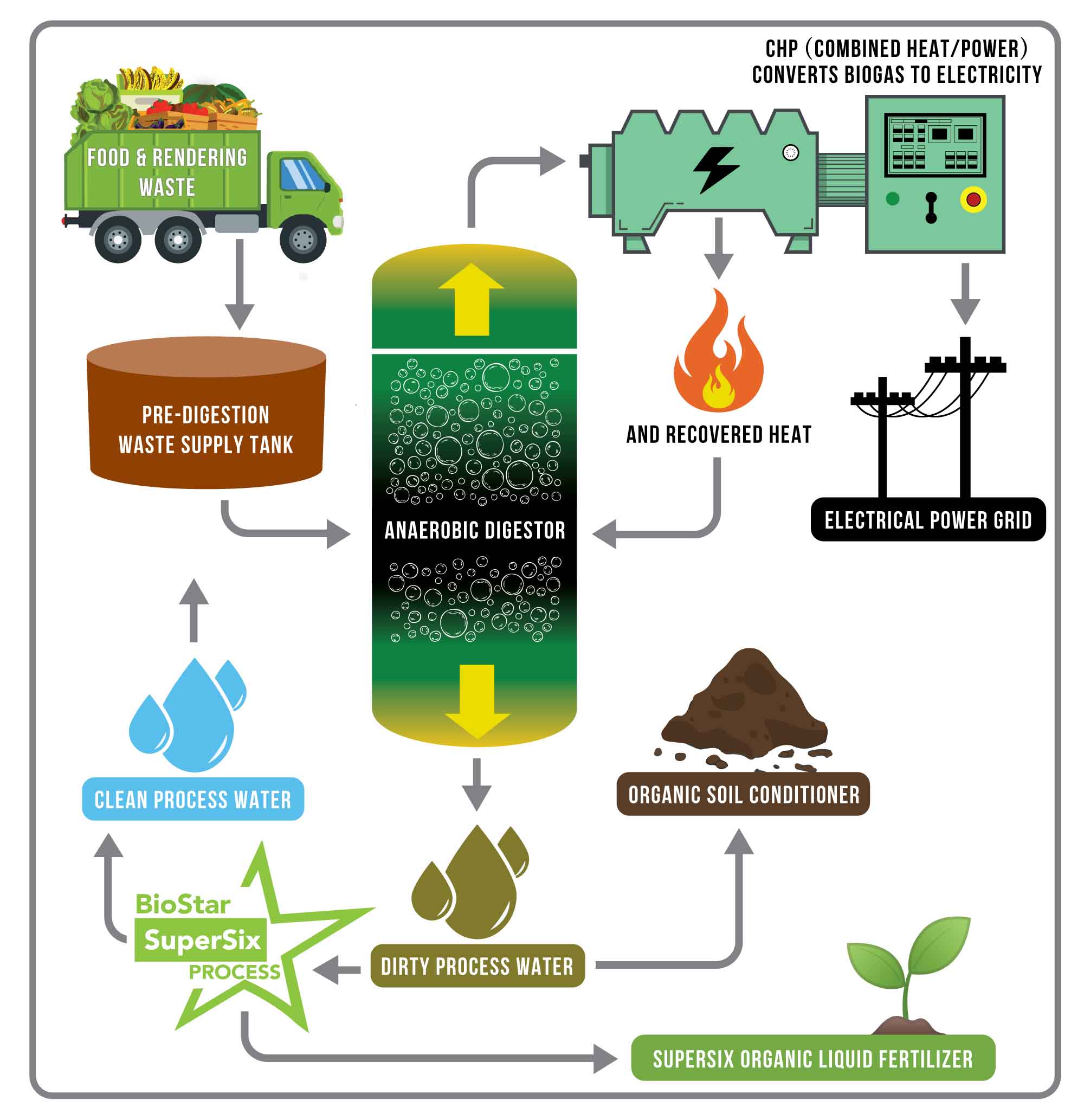
How waste-to-energy plants work Waste-to-energy plants burn municipal solid waste (MSW), often called garbage or trash, to produce steam in a boiler, and the steam is used to power an electric generator turbine. MSW is a mixture of energy-rich materials such as paper, plastics, yard waste, and products made from wood.
Energy recovery from the combustion of municipal solid waste is a key part of the non-hazardous waste management hierarchy, which ranks various management strategies from most to least environmentally preferred. Energy recovery ranks below source reduction and recycling/reuse but above treatment and disposal. Confined and controlled burning, known ... See full list on epa.gov The first incinerator in the United States was built in 1885 on Governors Island in New York, NY. By the mid-20th Century hundreds of incinerators were in operation in the United States, but little was known about the environmental impacts of the water discharges and air emissions from these incinerators until the 1960s. When the Clean Air Act (CAA... See full list on epa.gov 1. How much waste does America combust for energy recovery? Currently, there are 75 facilities in the United States that recover energy from the combustion of municipal solid waste. These facilities exist in 25 states, mainly in the Northeast. A new facility was built in Palm Beach County, Florida in 2015. A typical waste to energy plant generates about 550 kilowatt hours (kWh) of energy per ton of waste. At an average price of four cents per kWh, revenues per ton of solid waste are often 20 to 30 dollars. For more information, read Is It Better to Bu... 2. Why are MSW combustion facilities not more common in the United States? According to the Advancing Sustainable Materials Management: Facts and Figures Report, the United States combusted over 34 million tons of MSW with energy recovery in 2017. MSW combustion accounts for a small portion of American waste management for multiple reasons. Generally speaking, regions of the world where populations are dense and land is limited (e.g. many European countries, Japan), have greater adoption of combustion with energy recovery due to space constraints. As the United Stat... 3. What is the ash generated by combustion and what happens to it? The amount of ash generated ranges from 15-25 percent (by weight) and from 5-15 percent (by volume) of the MSW processed. Generally, MSW combustion residues consist of two types of material: fly ash and bottom ash. Fly ash refers to the fine particles that are removed from the flue gas and includes residues from other air pollution control devices, such as scrubbers. Fly ash typically amounts to 10-20 percent by weight of the total ash. The rest of the MSW combustion ash is called bottom ash... See full list on epa.gov Communities with waste-to-energy facilities have a higher recycling rate than the national average with some reaching over 50 percent. In addition, waste-to-energy facilities are oftentimes one of the largest recyclers in the local community by recovering metals for recycling. The Department of Energy explores waste-to-energy technologies for municipal solid waste management, focusing on innovative solutions to enhance sustainability and energy efficiency. Transforming Waste into Sustainable Energy Solutions. FCC Environmental Services is transforming how communities manage waste converting it into renewable power through safe, efficient, and sustainable Waste-to-Energy (WtE) operations. Discover how waste-to-energy plants convert trash into clean power, reducing landfill waste and generating sustainable energy for communities.

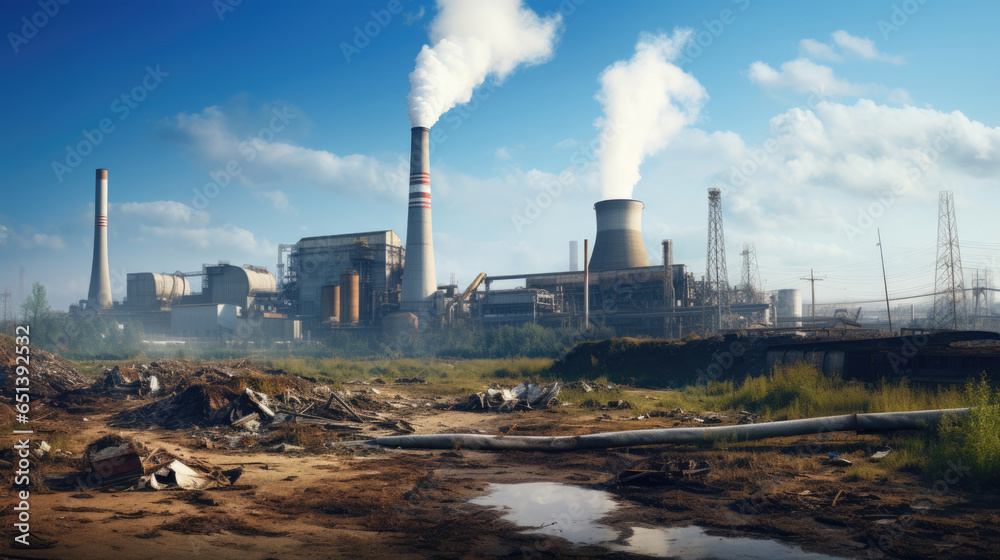
Furthermore, visual representations like the one above help us fully grasp the concept of Waste-To-Energy Plant Operations For Communities.
Communities with waste-to-energy facilities have a higher recycling rate than the national average with some reaching over 50 percent. In addition, waste-to-energy facilities are oftentimes one of the largest recyclers in the local community by recovering metals for recycling.

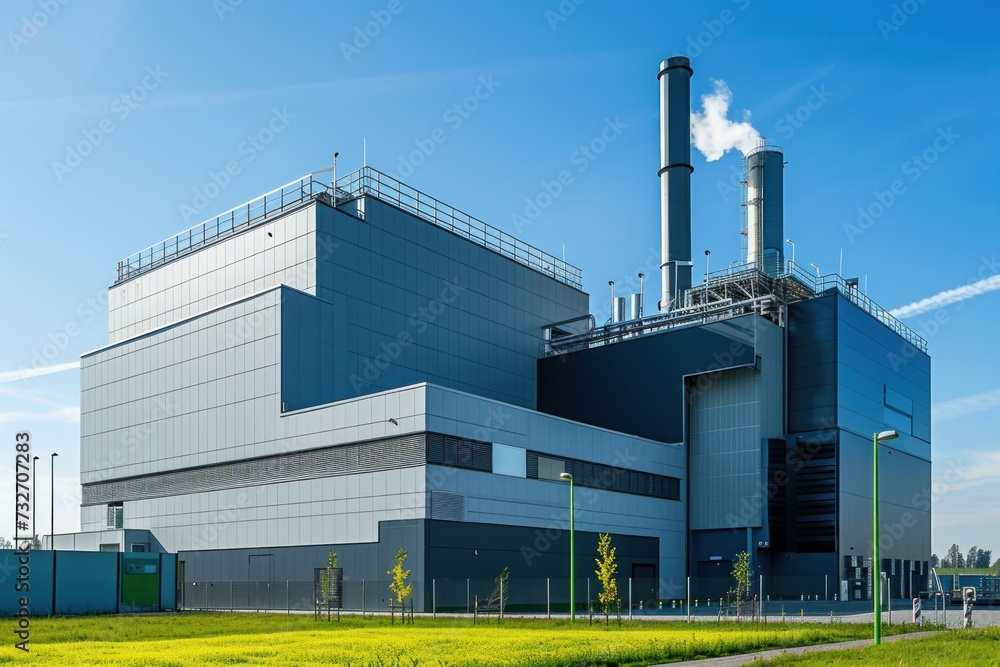
This particular example perfectly highlights why Waste-To-Energy Plant Operations For Communities is so captivating.