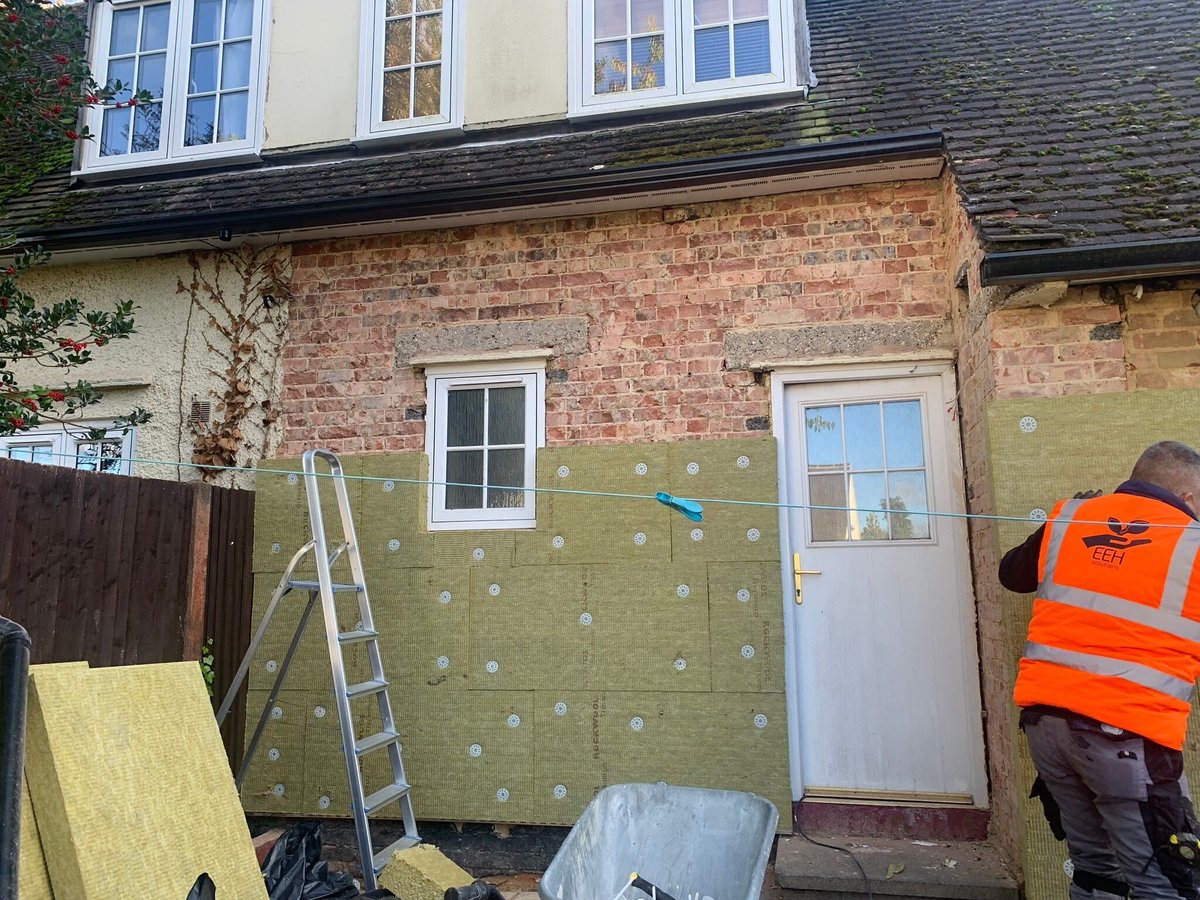
- (There are a few exceptions, such as caulking, that can sometimes emit pollutants.) However, measures such as installing storm windows, weather stripping, caulking, and blown-in wall insulation ...
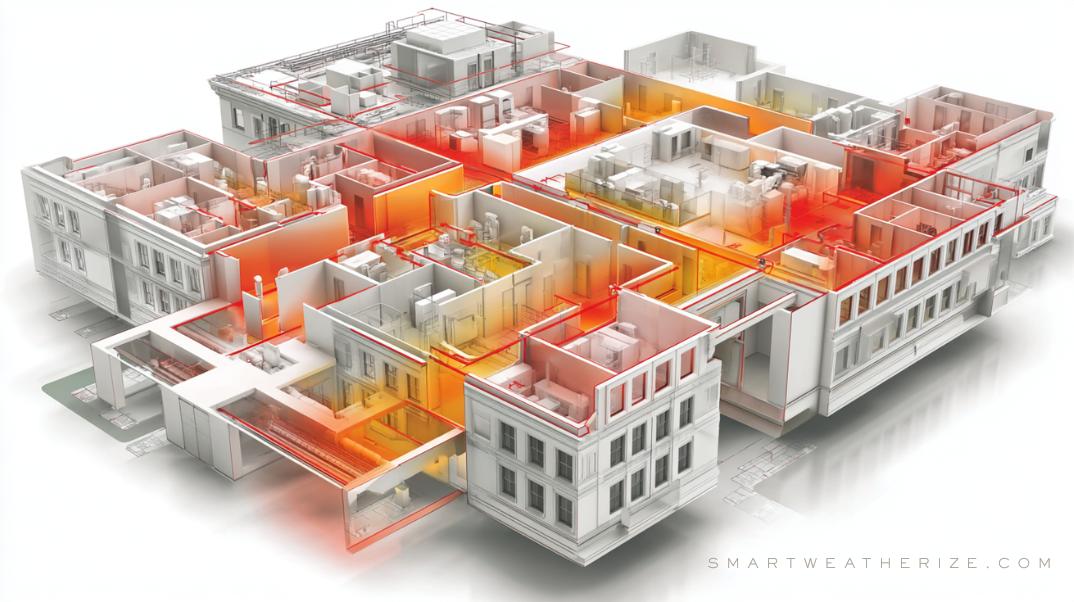
Weatherization providers check the exterior of the building, known as the building envelope, and major energy systems to ensure there are no occupant health or safety concerns before installing any energy efficiency measures.
The Weatherization Assistance Program (WAP) reduces household energy use through the installation of cost-effective energy savings measures, which also improve resident health and safety. Common measures including sealing air leaks, adding insulation, and repairing heating and cooling systems.

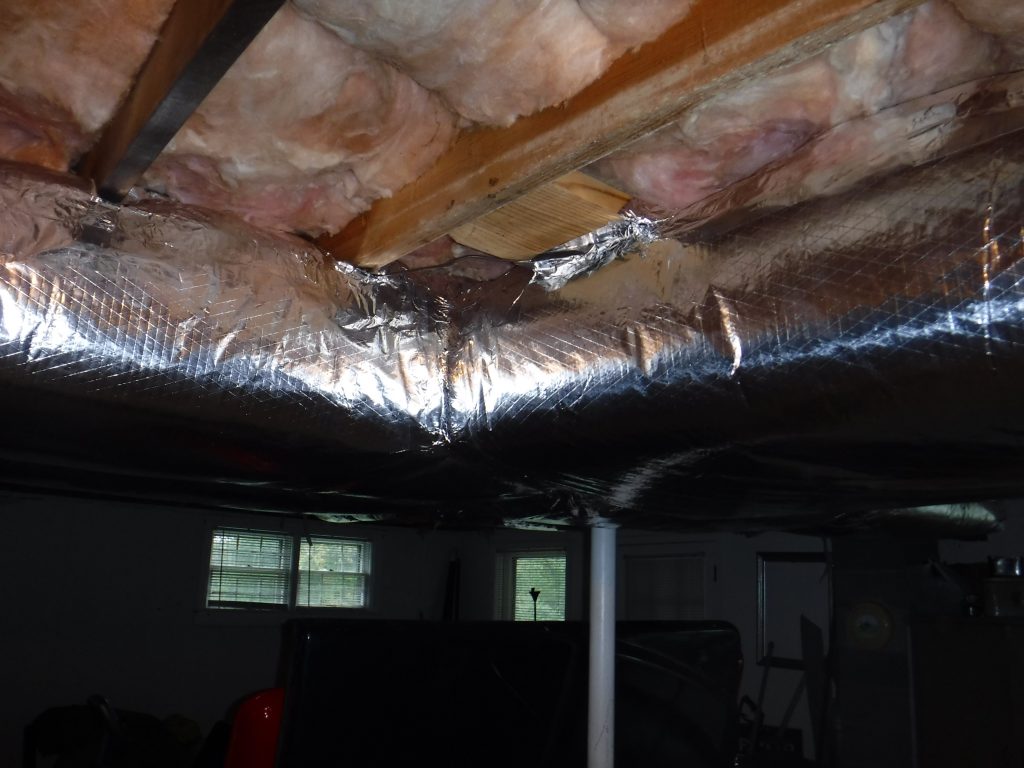
As we can see from the illustration, Weatherization Measures Installation has many fascinating aspects to explore.
- Weatherization measures to be installed must meet specific energy-savings goals.
CSD works with community-based local service providers throughout the state installing weatherization and energy efficiency measures for low-income homeowners and renters that qualify under the Department of Energy's Weatherization Assistance Program (DOE WAP).

Installation of weatherization measures to increase energy efficiency of a home (structure must be able to benefit from being weatherized)
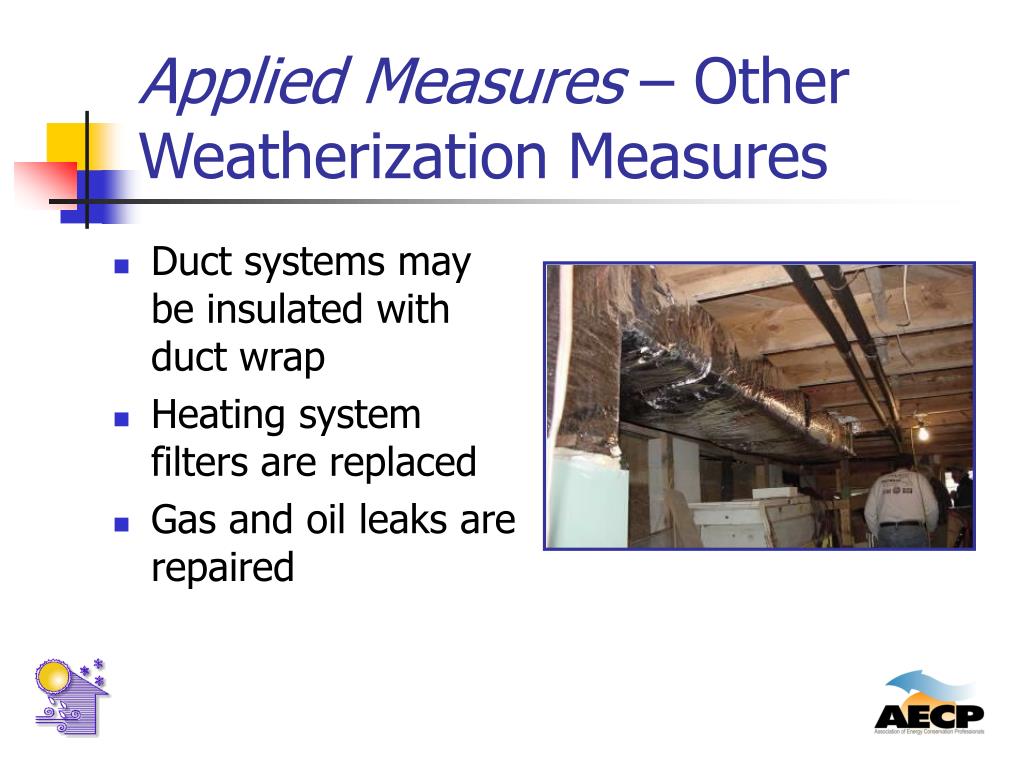
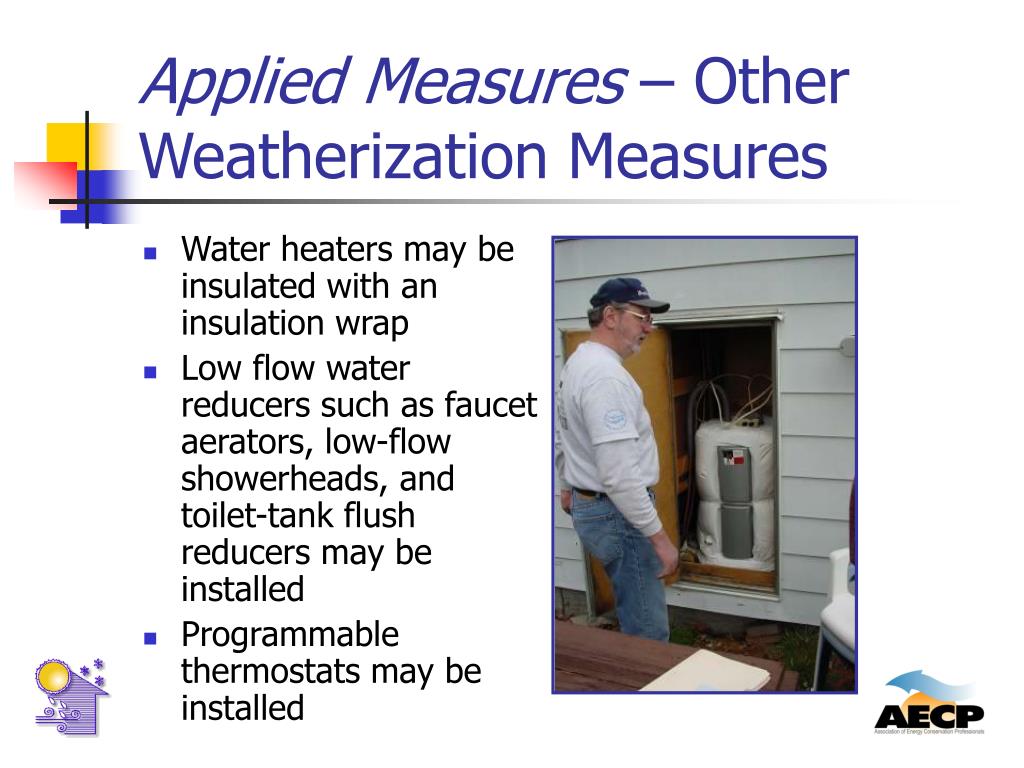
- In both states, typical measures covered include installing insulation in walls and floors, curbing air infiltration, sealing ducts, and repairing heating and cooling units (including furnaces or water heaters).
Weatherization crews use home energy ... particular home. Typical measures include installing insulation, reducing air infiltration and pressure imbalances, sealing and repairing ducts, and tuning and repairing heating and cooling units....