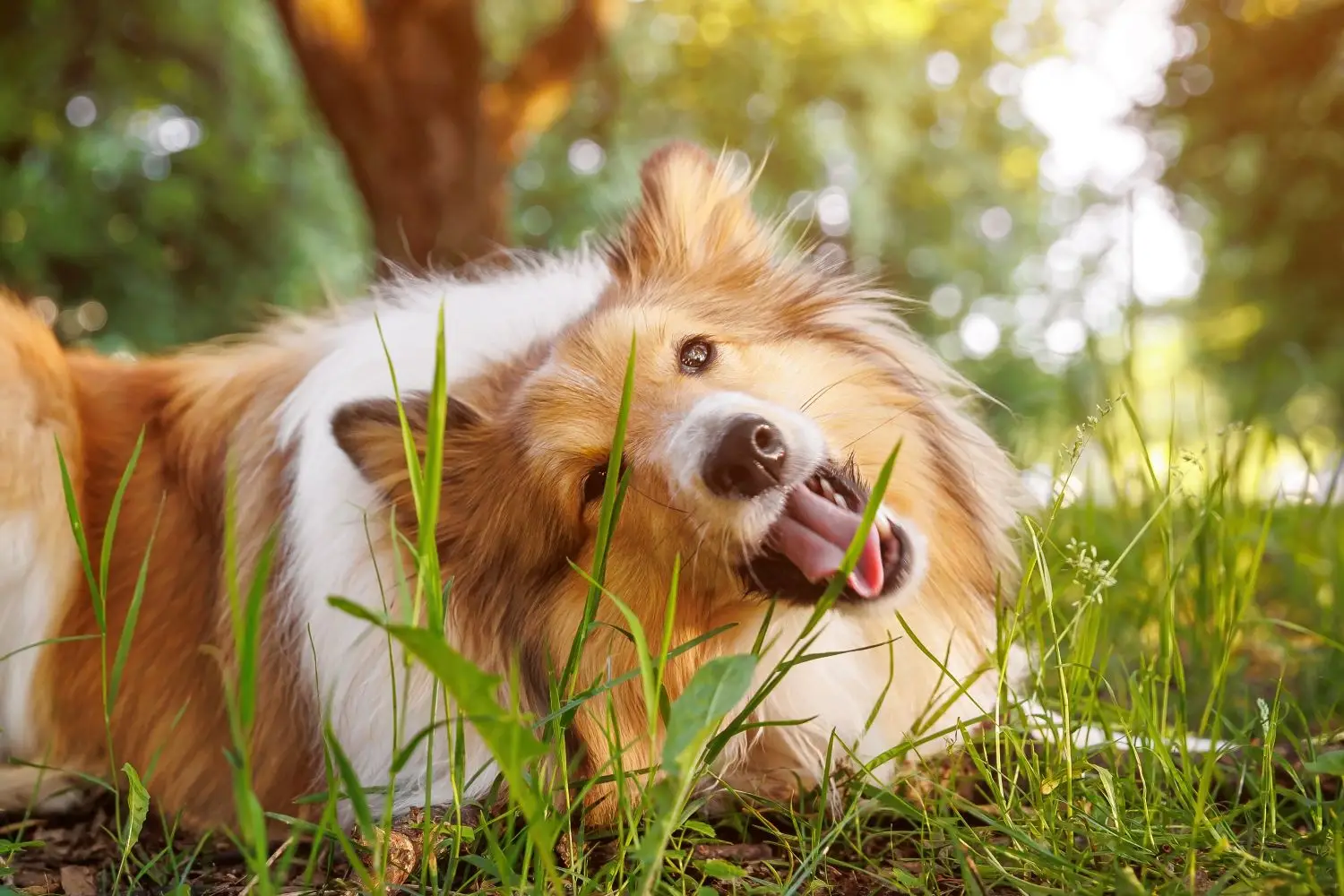
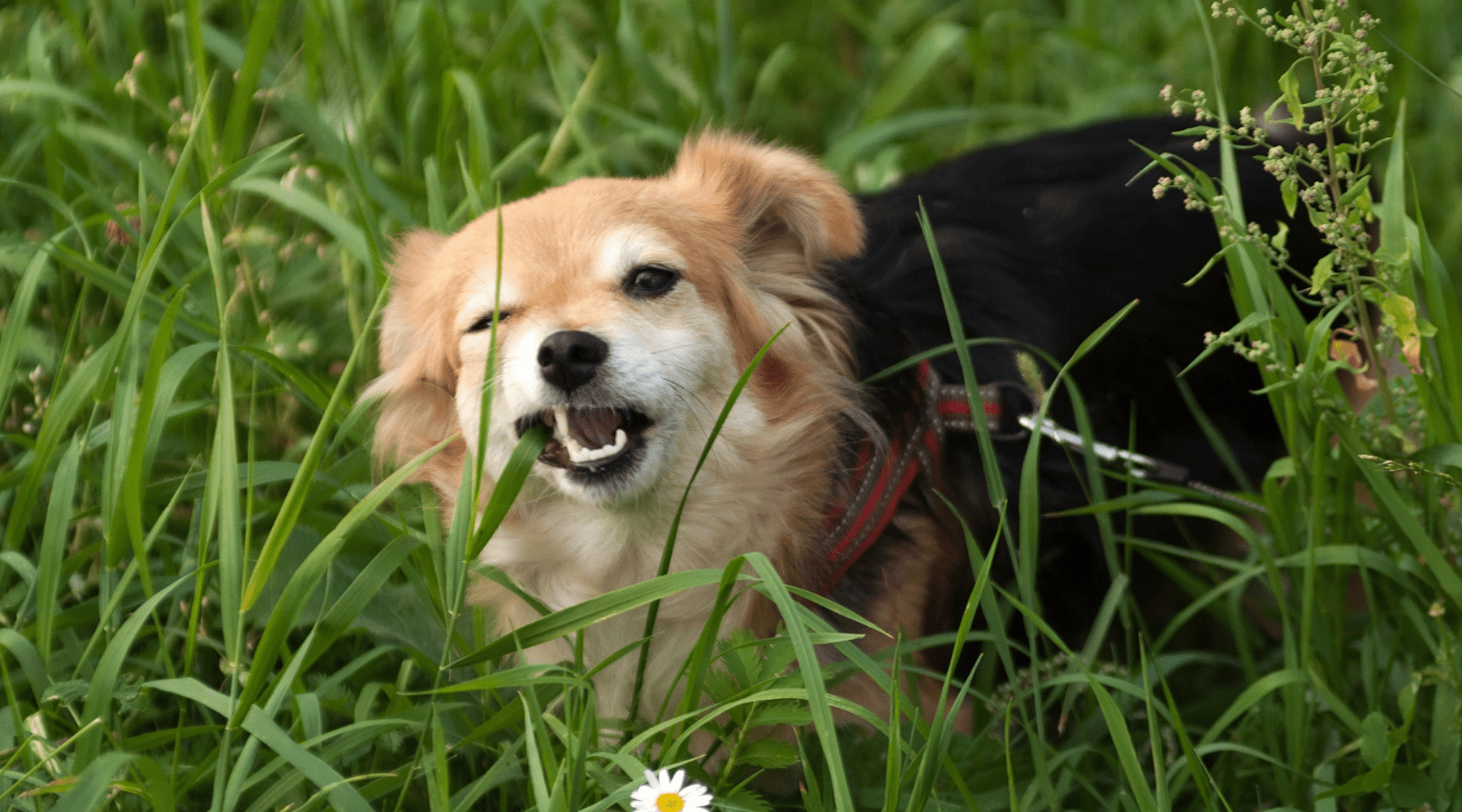
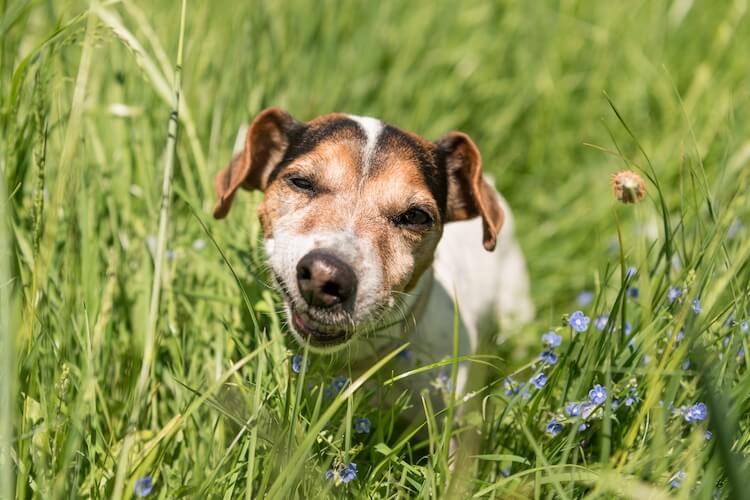
Grass nibbling may stimulate the release of endorphins, natural mood boosters, in your dogs brain. This could explain why some dogs appear more relaxed after munching on grass. Furthermore, the physical act of chewing itself can be calming, providing repetitive motion that diverts anxiety.
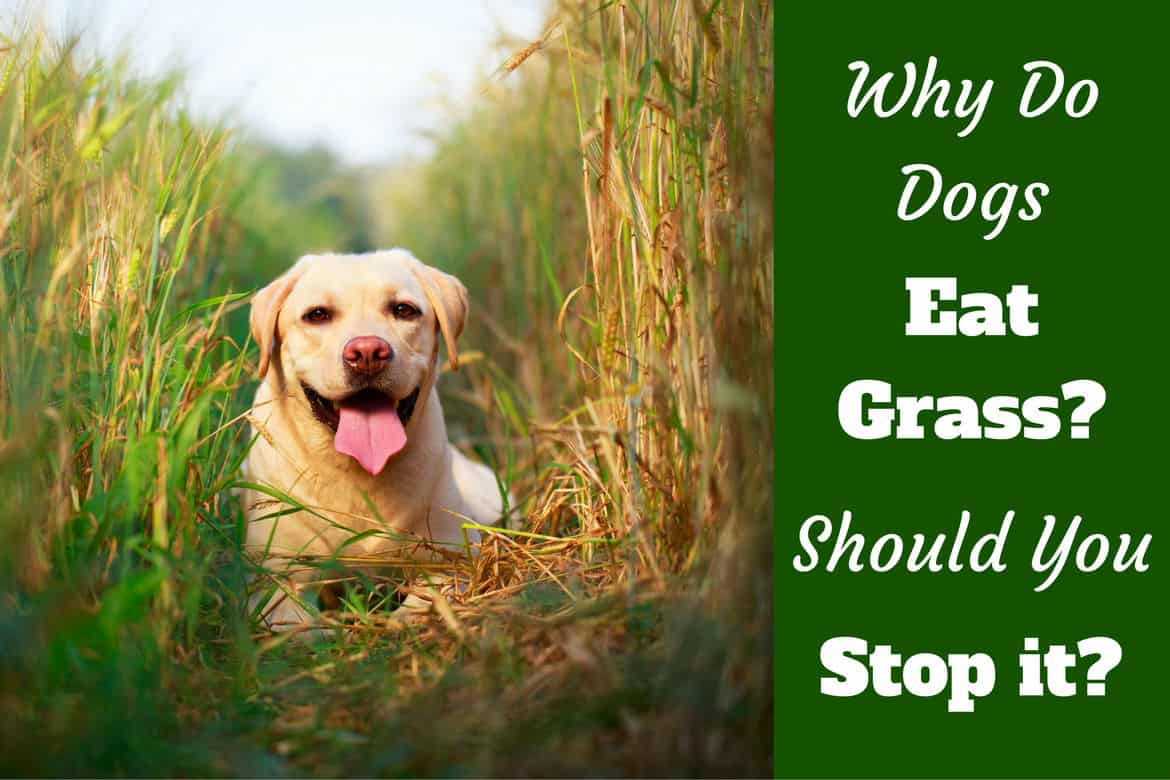
Dogs eating grass is a common behavior that often puzzles pet owners. While it might seem strange, this habit can be closely linked to psychological factors such as boredom and anxiety. Understanding why your furry friend turns to grass can help you manage their behavior and ensure their well-being.
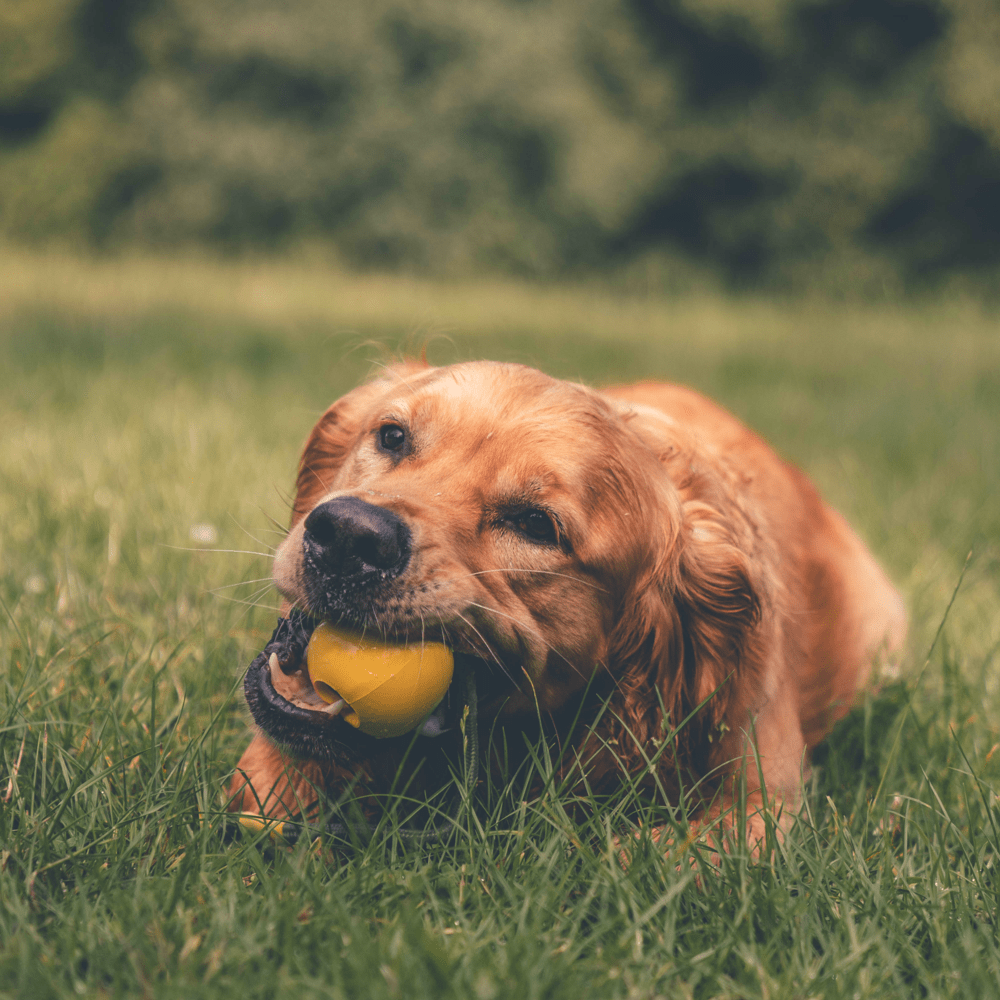
Behavioral Issues: Anxiety, stress, or boredom can lead to pica, or eating things that aren't food. If your dog is eating grass that has been treated with chemicals (pesticides, weed control, fertilizers, etc.), then they could become ill and develop vomiting and diarrhea.
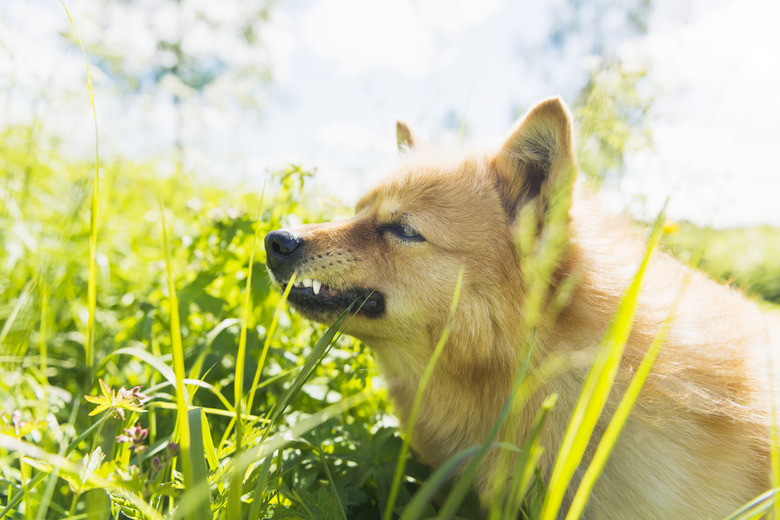
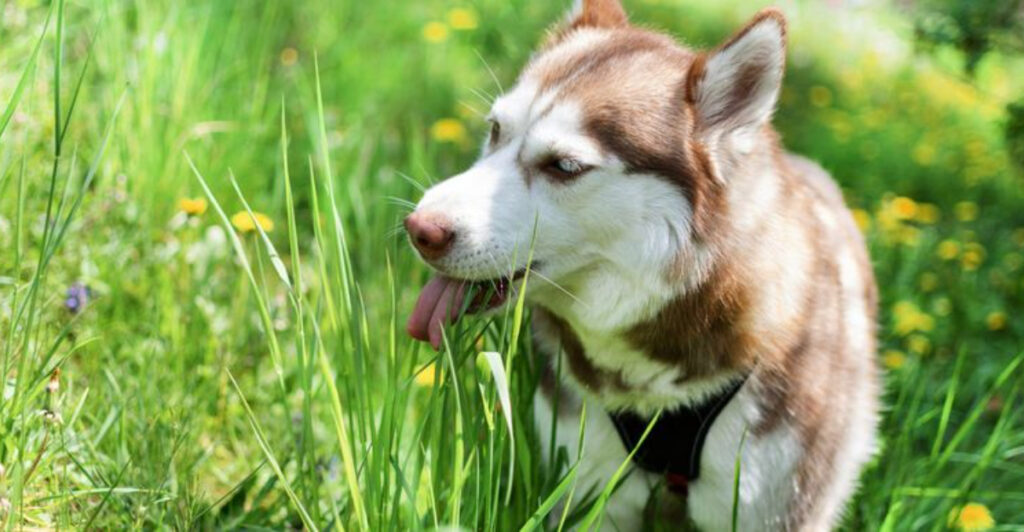
As we can see from the illustration, Why Do Dogs Develop Anxiety And Eat Grass has many fascinating aspects to explore.
For some dogs, grass-eating serves as a coping mechanism during stressful situations. The repetitive motion of nibbling and chewing releases endorphins that help calm an anxious mind, similar to how humans might bite nails or twirl hair when nervous.
While occasional grass eating is not always a concern, frequent or persistent grass eating can sometimes point to an underlying issue worth addressing. From digestive discomfort to nutritional gaps, here are six common reasons dogs eat grass and what you can do about it.