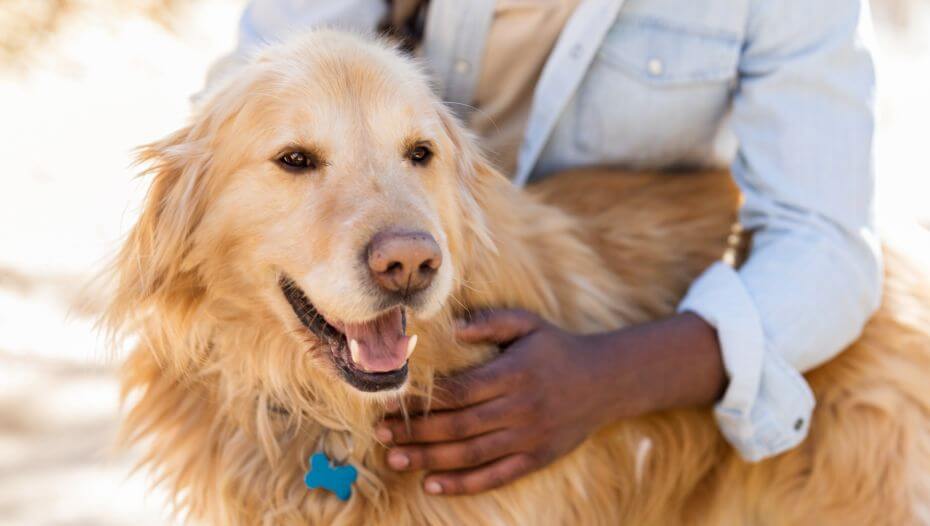
Most dogs pant after physical activity as a natural way to cool down and regulate body temperature. But when panting becomes extreme, lasts too long, or is paired with other symptoms like shaking or lethargy, it could indicate heat exhaustion, overexertion, heart strain, or underlying illness.
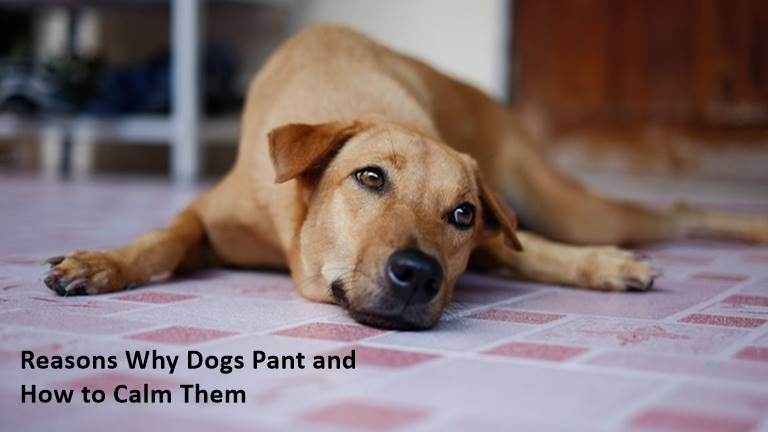
Why is your dog panting so much? Learn whats normal, whats not, and when panting could signal stress, pain, or a serious health issue.

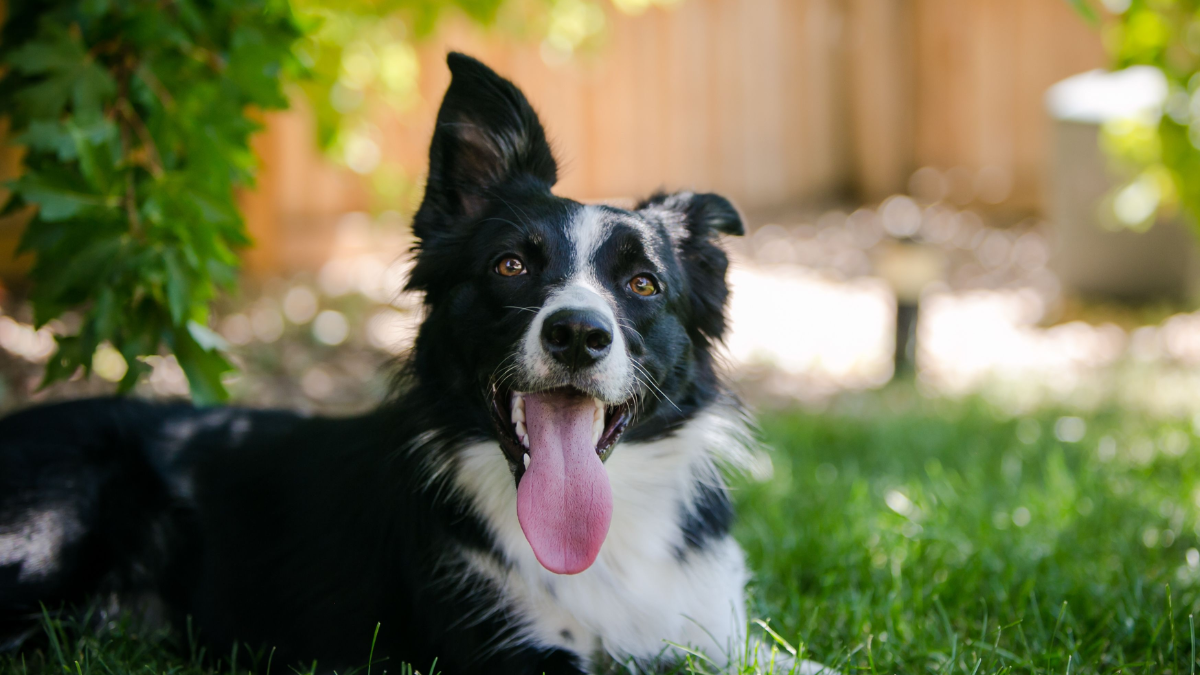
This rapid breathing is shallow and focused within the upper portion of the respiratory tract. Panting quickly forces air back and forth over the moist tissues of your pet's tongue and lungs, which facilitates evaporative cooling. Along with cooling, dogs may pant as a way to draw in more oxygen.

Dog panting ranges from completely normal to a sign of something that needs attention. The seven causes weve coveredheat exposure, anxiety, respiratory issues, heart disease, thyroid dysfunction, pain, and infectionrepresent the most common culprits.
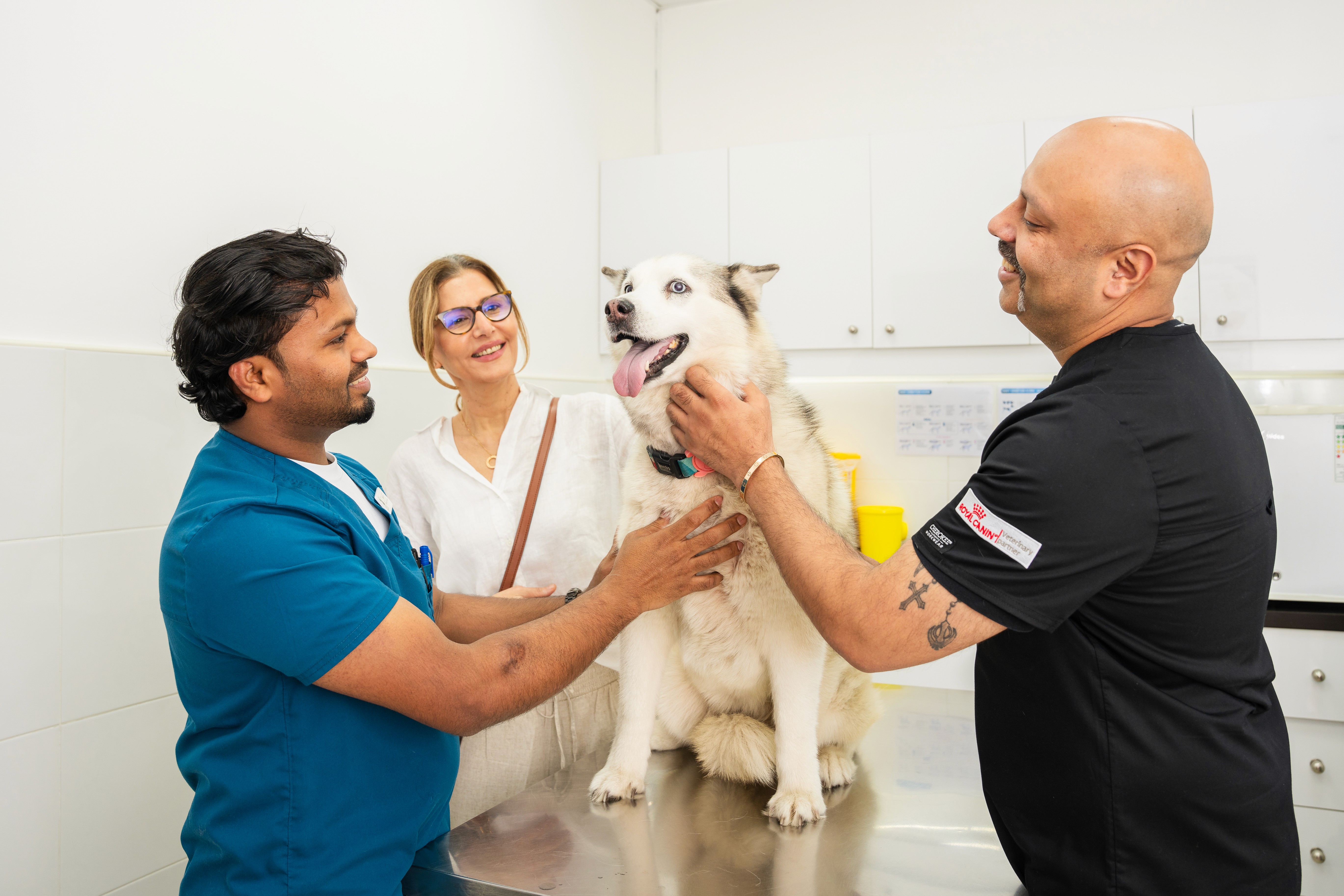
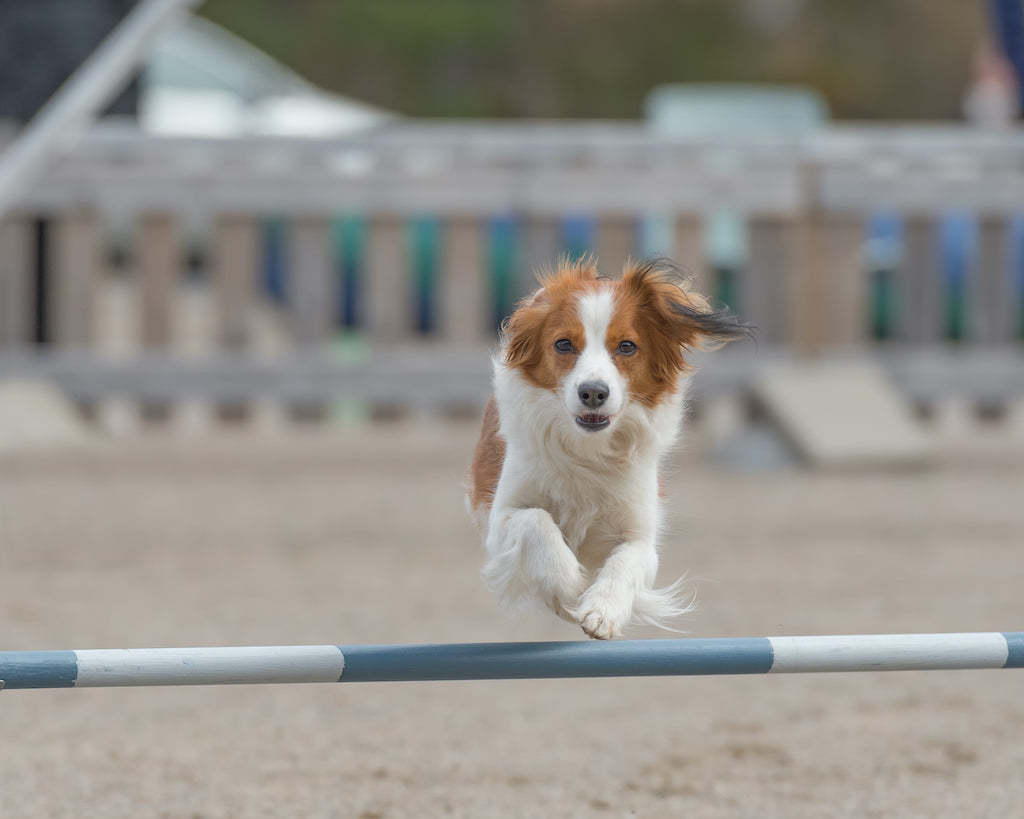
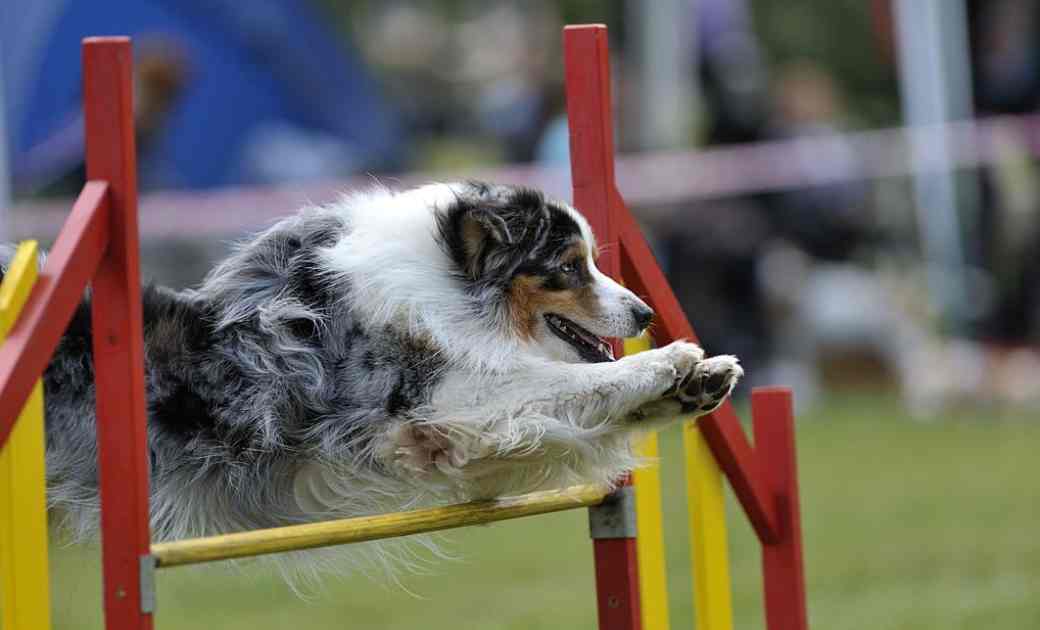
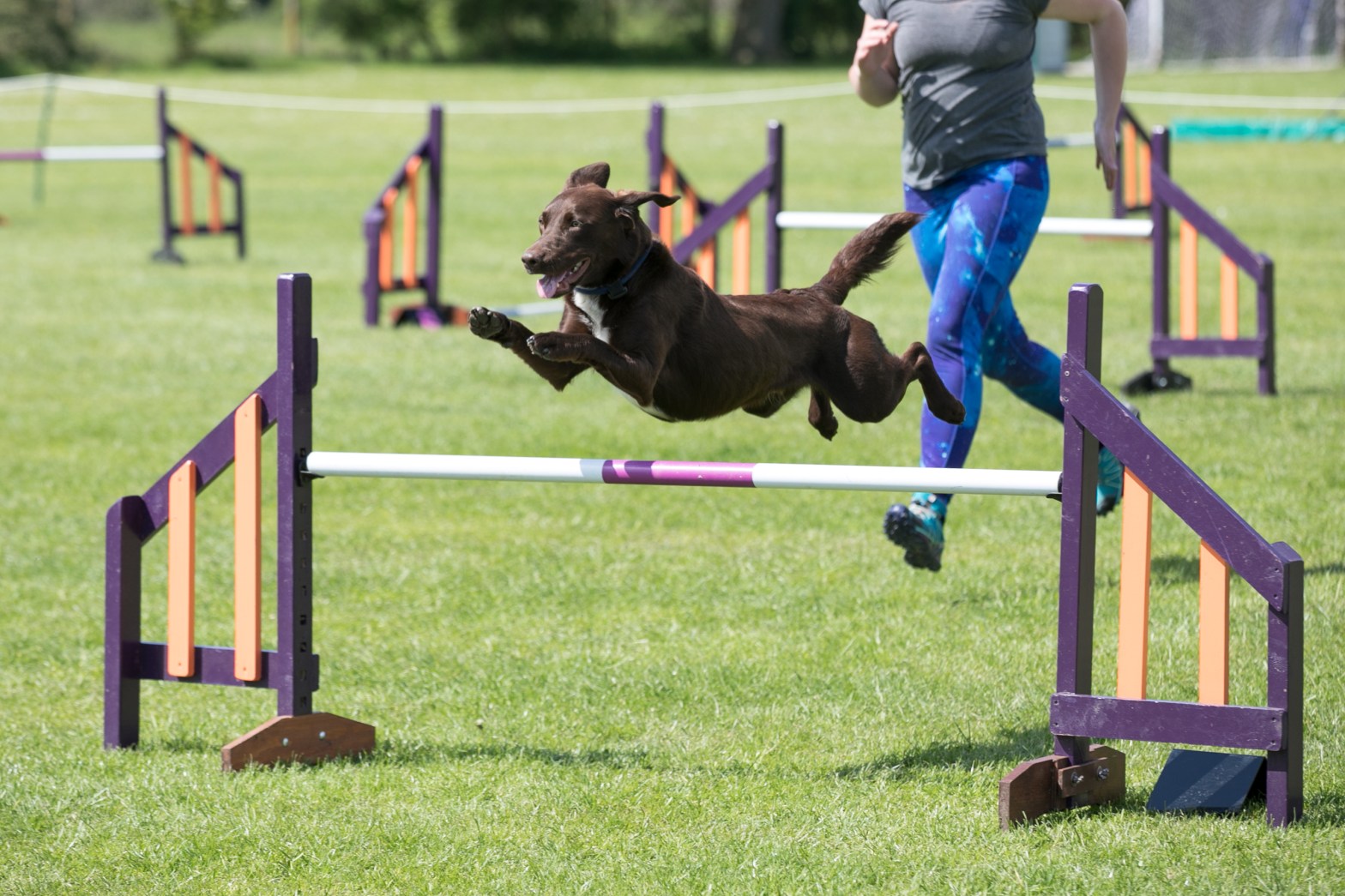
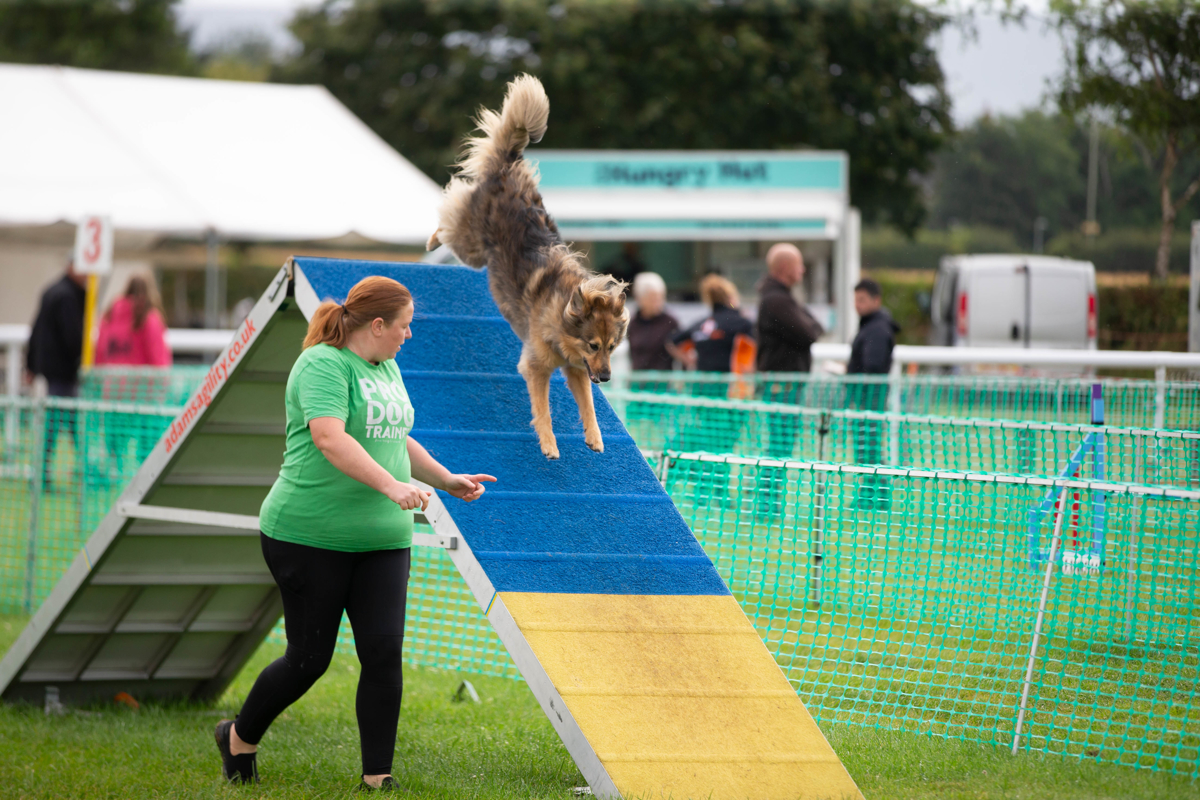
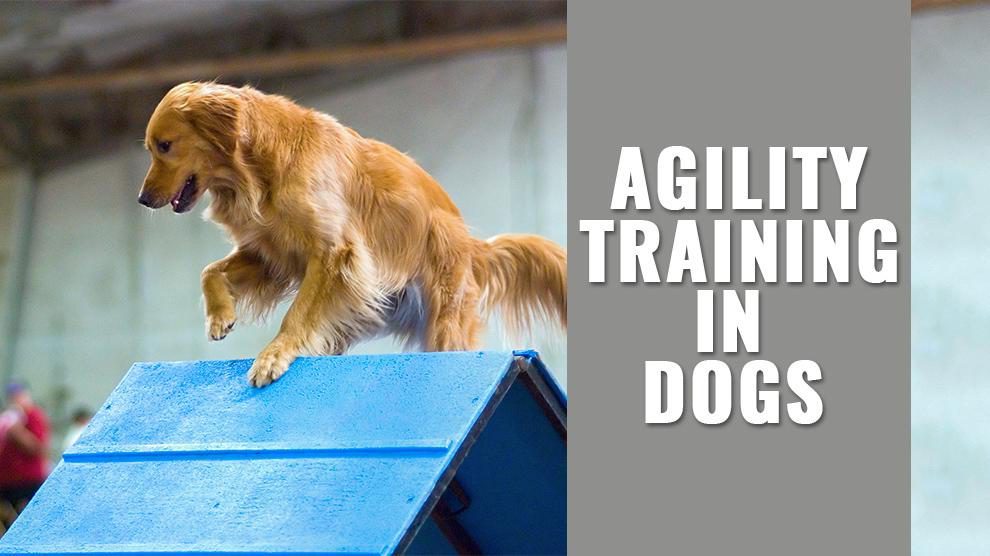
Moving forward, it's essential to keep these visual contexts in mind when discussing Why Dogs Pant After Agility Training.
Wondering why your dog is panting? Learn 8 common causes from heat and anxiety to health issues and when its time to call your vet.
Understand the causes and how to manage post-activity panting in dogs. Learn about the signs, reasons, and solutions for excessive panting in this detailed guide to canine health and fitness.